




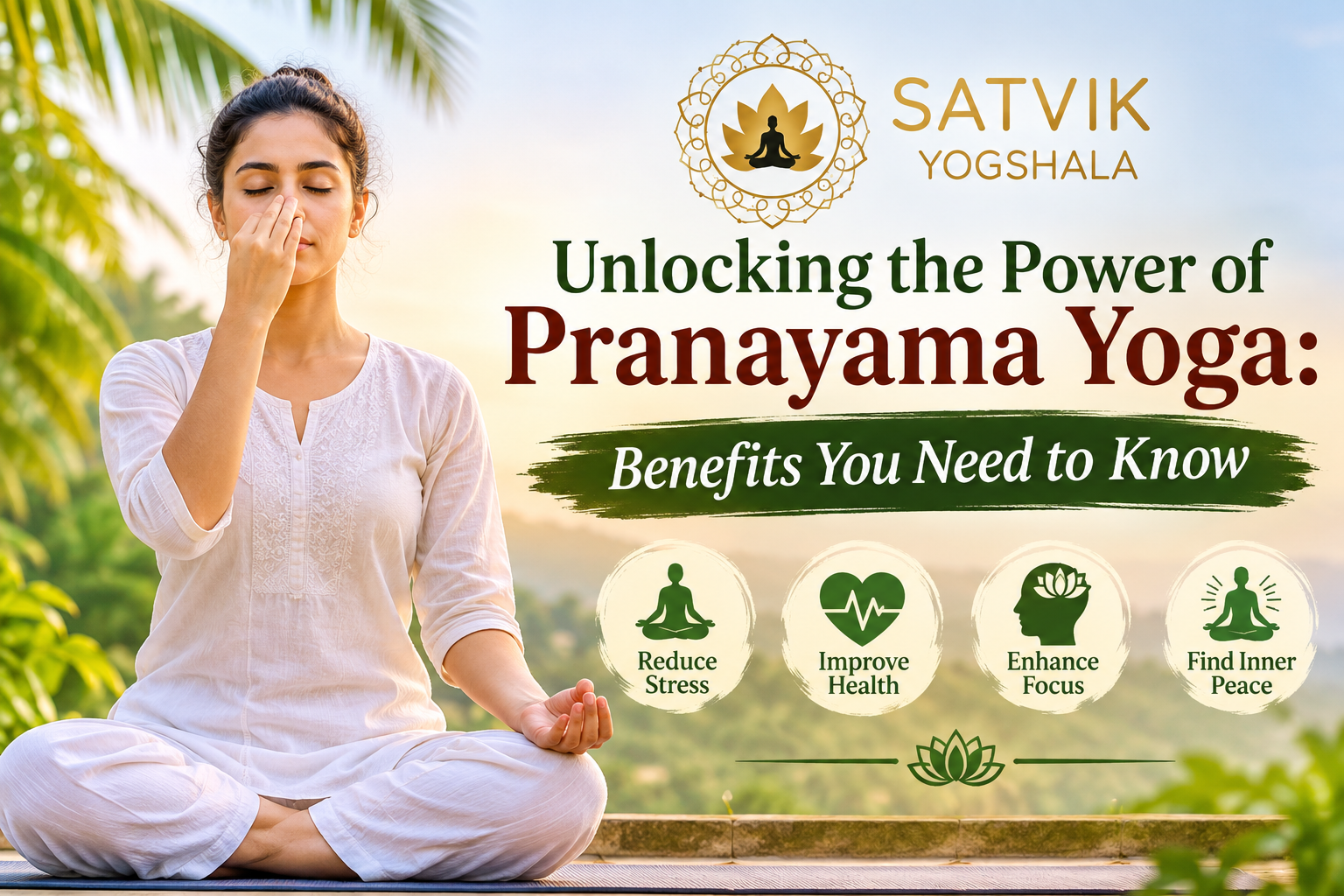
In our world stress hides in every corner and mental clarity can feel far away.. An ancient practice called Pranayama Yoga offers deep relief and fresh energy. Imagine using the breath itself to open a treasure chest of health and calm. Pranayama Yoga is more than breathing; it is a doorway to better health, sharper focus and lasting peace. Whether you are a yogi or simply curious about natural health let us explore how Pranayama Yoga can lift mind, body and spirit in ways you have never imagined.
What is Pranayama Yoga?
Pranayama Yoga is a practice that comes from Indian philosophy. It centers on controlling the breath called prana, which means life force or vital energy. By shaping breathing patterns Pranayama Yoga can change both body and mind.
Pranayama Yoga does not stop at physical poses. It uses the breath to find balance and clarity. Every inhale brings energy and every exhale releases tension.
Pranayama involves techniques that change how you breathe—making inhales longer making exhales longer or holding the breath for set times. These methods help build awareness and improve health.
The beauty of Pranayama is that it is easy for everyone to use no matter how experience or fitness you have. Embracing Pranayama opens a path, to deeper self‑awareness and calm.
The Power and Benefits of Pranayama Yoga
Pranayama Yoga is more than a series of breathing exercises; it’s a transformative practice that connects the mind and body. It harnesses the life force or ‘prana’ helping to cultivate peace and tranquility.
One of its compelling benefits is stress relief. Regular practice can reduce anxiety levels. Promote relaxation allowing you to navigate daily challenges with ease.
In addition to clarity Pranayama enhances lung capacity and respiratory function. This improvement supports health by increasing oxygen flow throughout your system.
Moreover Pranayama Yoga boosts. Concentration. By centering your thoughts on breath control you train your mind to be present in each moment.
Physical vitality also sees an uptick as this practice invigorates energy levels. Participants often report feeling rejuvenated after sessions ready to tackle their day with newfound enthusiasm.
Understanding the Different Types of Pranayama Yoga
Pranayama Yoga encompasses techniques each designed to enhance the flow of life force or “prana” within us.
One popular method is breathing, often referred to as “victorious breath.” It involves a constriction in the throat that creates a soothing sound while inhaling and exhaling. This technique promotes focus and calmness.
Another type is Nadi Shodhana or alternate nostril breathing. By balancing airflow through both nostrils practitioners can harmonize their energies. Reduce stress.
Kapalabhati focuses on exhales followed by passive inhales. Its. Invigorating, helping clear the mind and improve lung capacity.
Lastly Bhramari uses humming sounds during exhalation to induce relaxation. The vibrations resonate within the body releasing tension.
Each style offers benefits tailored for different needs or goals, in your wellness journey.
Must Visit: 200 Hour Yoga Teacher Training in Rishikesh
Step-by-step Guide to Practicing Pranayama Yoga
Pranayama yoga, also known as the practice of controlling ones breath is a technique that has been used for centuries to improve physical and mental well-being. It involves breathing exercises that help in cleansing and energizing the body ultimately leading to a state of balance and harmony. If you are new to pranayama yoga or looking to deepen your practice this step-by-step guide will provide you with all the information to get started.
Step 1: Find a Seated Position
The first step in practicing pranayama yoga is finding a comfortable seated position. Sit cross-legged on the floor. Use props such as a bolster or cushion if needed. Keep your spine straight. Relax your shoulders, neck and face muscles.
Step 2: Connect with Your Breath
Take a few breaths through your nose filling up your lungs completely. As you exhale let go of any tension in your body. This will help you connect with your breath and bring awareness to it.
Step 3: Begin With Basic Breathing Techniques
Start with breathing techniques such as abdominal breathing or diaphragmatic breathing. Inhale through your nose expanding your belly like a balloon. Exhale slowly through your nose while drawing your belly button towards your spine.
Step 4: Incorporate Pranayama Techniques
Once you are comfortable with breathing techniques you can start incorporating specific pranayama techniques into your practice. Some popular ones include Nadi Shodhana ( nostril breathing) Kapalbhati (skull-shining breath) and Bhramari (bee breath).
Step 5: Practice Focused Breathing
In addition to pranayama techniques it is essential to practice focused breathing throughout each exercise. This means keeping attention on every inhale and exhale by counting or mentally repeating a mantra.
Step 6: Maintain a Steady Pace
While practicing pranayama it is crucial to maintain a steady pace. Avoid rushing through the exercises and focus on each breath. A slower pace can help you relax and find control over your breath.
Step 7: End with Savasana
After completing your pranayama practice take a moments to rest in Savasana (corpse pose). This will allow your body to integrate the benefits of the practice and bring about a state of relaxation.
Practicing pranayama yoga can bring physical, mental and emotional benefits when done correctly. Follow these steps to incorporate this technique into your daily routine and experience its transformative effects on your mind, body and soul. Remember to be patient with yourself and enjoy the journey, towards unlocking the power of pranayama yoga.
Tips for Incorporating Pranayama Yoga into Your Daily Routine
Pranayama yoga, also known as the practice of breath control is a part of traditional yoga that has many physical and mental benefits. It includes breathing methods that help to control the flow of prana (life force energy) in the body. Adding pranayama yoga to your schedule can make a big difference in your overall health. Here are some helpful tips for adding pranayama yoga to your routine:
1. Pick a time: Like any kind of exercise or self-care it is important to pick a time each day for pranayama yoga. This helps you stay regular and makes it a normal part of your day.
2. Find a place: Look for an comfortable place where you can practice without any interruptions or distractions.
3. Begin with methods: If you are just starting with pranayama it is best to begin with simple methods like deep belly breathing or alternate nostril breathing before trying more difficult methods.
4. Focus on your body and breath: Pay attention to how your body feels while doing pranayama and focus on what you feel with each inhale and each exhale. This helps you connect with your breath and makes it more effective.
5. Practice when you are not full: It is suggested to practice pranayama when your stomach’s empty or at least two hours after eating to get the best results.
6. Go at a speed: When doing different breathing methods it is important to go at a steady speed instead of trying to do them too fast. This gives you control over your breath and helps you get the most out of each technique.
7. Stay calm: Pranayama should be done in a way without any tension in your body or mind. If you feel uncomfortable, with any method take a break. Try again when you feel ready.
8. Mix with yoga postures: Pranayama and yoga postures work well together. Support each other. Doing both can improve your practice and bring more relaxation and focus.
Adding pranayama yoga to your routine is an easy way to improve your physical, mental and emotional health. With these tips you can make this practice part of your life and enjoy all the good things it brings. Remember to listen to your body keep going and enjoy the experience of connecting with your breath.
The Connection Between Mind, Body, and Breath in Pranayama Yoga
Pranayama yoga is a powerful practice that focuses on controlling the breath to achieve physical, mental, and spiritual well-being. In this ancient form of yoga, the connection between mind, body, and breath is integral to unlocking its full potential.
The mind-body-breath connection in pranayama yoga revolves around the concept of prana – the life force energy that flows through our bodies. It is believed that by consciously harnessing and directing this energy through controlled breathing techniques, we can bring balance and harmony to our entire being.
Let’s break down the components of this powerful connection:
1. Mind: Pranayama yoga places great emphasis on the power of the mind. Our thoughts and emotions have a direct impact on our breath patterns. When we are stressed or anxious, our breathing becomes shallow and rapid. By focusing on calming the mind through meditation and mindfulness practices, we can bring awareness to our breath and control it.
2. Body: The physical body also plays a crucial role in pranayama yoga. As we inhale deeply, expanding our lungs and diaphragm muscles, we increase oxygen intake which nourishes all cells in our body. This helps in improving overall health as well as boosting immunity.
Moreover, specific breathing techniques like alternate nostril breathing (nadi shodhana) can help balance both sides of the brain and stimulate vital organs for improved functioning.
3. Breath: The breath is what connects everything together in pranayama yoga. The word ‘prana’ means life force or vital energy while ‘yama’ means control or restraint – hence pranayama translates to controlling one’s life force through proper breathing techniques.
In pranayama yoga practice, there are various types of breathing exercises such as deep belly breathing (ujjayi), cooling breath (sitali), energizing breath (kapalabhati), etc., each with its unique benefits. By mastering these practices, we can influence our physical, mental, and emotional state. For instance, deep breathing can calm us down during moments of stress and anxiety while energizing breath can boost our energy levels.
The connection between mind, body, and breath in pranayama yoga is essential for achieving balance and well-being. By understanding this connection and incorporating it into our practice, we can unlock the full potential of this ancient technique to enhance our overall health and quality of life. So take a deep breath and let the power of pranayama yoga transform you from within!
Common Misconceptions about Pranayama Yoga
Many people think Pranayama Yoga is just about breathing. While breath control is central, it’s much more holistic. It encompasses mental clarity, emotional balance, and physical health.
Another misconception is that it’s only for advanced yogis. In reality, anyone can practice Pranayama at any level. Beginners can start with simple techniques and gradually progress.
Some believe Pranayama requires a lot of time or specific settings. However, even short sessions can be effective. All you need is a quiet space and your commitment.
Additionally, there’s the idea that Pranayama is solely for relaxation. Though it promotes peace of mind, its benefits extend to increasing energy levels and improving focus as well.
Myths surrounding this practice often lead to misconceptions about its safety too. When performed correctly under guidance, it’s safe for almost everyone regardless of age or fitness level.
Conclusion: Embracing the Benefits of Pranayama Yoga in Everyday Life
Embracing Pranayama Yoga can transform your daily life in numerous ways. By integrating these breathing techniques into your routine, you may find greater clarity and focus. The practice fosters a deeper connection between the mind and body, promoting overall wellness.
With consistent practice, you might experience reduced stress levels and enhanced emotional balance. The benefits extend beyond the yoga mat; they carry over into everyday situations—improving how you handle challenges and interact with others.
Whether you’re seeking relaxation or heightened awareness, Pranayama Yoga offers tools to support your journey toward mindfulness. As you explore this ancient discipline, remember to be patient with yourself. Each breath is an opportunity for growth and healing.
Consider setting aside time each day to engage in these practices. Start small, perhaps just a few minutes at first, then gradually increase as you become more comfortable. Your commitment can lead to profound changes in both physical health and mental well-being.
By embracing Pranayama Yoga today, you’re not only nurturing yourself but also enhancing your ability to face life’s ups and downs with grace and resilience.